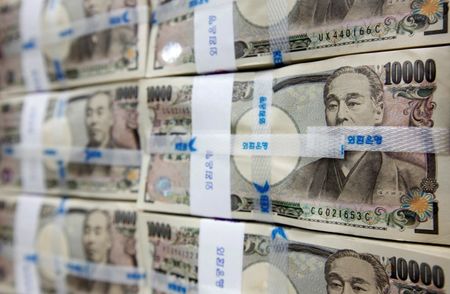
일본 정부는 30년 만에 최저치로 떨어진 엔화 약세를 방어하기 위해 시장에 개입했지만, 이는 임시방편에 그칠 가능성이 높습니다. 전문가들은 높은 국제 유가가 일본의 수입 비용을 늘려 엔화 약세를 더욱 심화시킬 수 있다고 분석합니다. 또한, 미국의 공격적인 금리 인상 기조는 달러 강세를 유지시키며 엔화 약세를 부추길 요인으로 작용할 수 있습니다. 러시아-우크라이나 전쟁 장기화로 인한 에너지 공급 불안정성은 유가 상승을 부추겨 엔화 약세 압력을 더욱 가중시킬 것으로 예상됩니다. 따라서 일본 정부의 개입이 장기적인 엔화 가치 하락 추세를 막기에는 역부족일 수 있다는 전망입니다.
[한국 시장 영향] 엔화 약세는 한국 수출 경쟁력에 부정적인 영향을 미칠 수 있으며, 원/달러 환율 상승 압력에도 간접적인 영향을 줄 수 있습니다. 또한, 원자재 수입 의존도가 높은 한국 경제에도 유가 상승으로 인한 부담이 가중될 수 있습니다.
🌐 English Briefing
Japan's government has intervened in the currency market to defend the yen, which has fallen to its lowest level in 30 years. However, experts believe this measure may only provide a temporary respite. High oil prices are expected to increase Japan's import costs, potentially exacerbating yen depreciation. Furthermore, the U.S. Federal Reserve's aggressive interest rate hike stance could maintain dollar strength and further weaken the yen. The ongoing geopolitical instability, particularly the Russia-Ukraine war, is fueling concerns about energy supply and driving up oil prices, adding to the pressure on the yen. Consequently, the effectiveness of the Japanese government's intervention in curbing the long-term yen depreciation trend is being questioned.
Auto-translated by AI for international readers.
원문 (English)
Japan just put a ‘Band-Aid’ on the yen. Why high oil prices could soon rip it off.