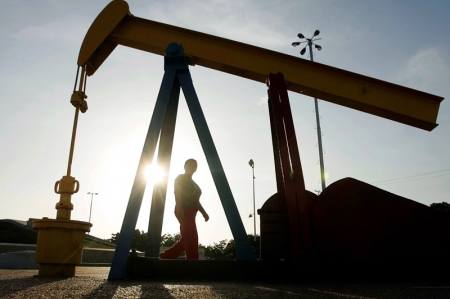
텍사스 지역의 석유 생산자들이 과거와 달리 생산량 증대에 소극적인 태도를 보이고 있습니다. 이는 투자자들의 압력, 자본 지출에 대한 제한, 그리고 전반적인 운영 비용 상승 등 복합적인 요인에 기인합니다. 많은 대형 석유 기업들은 생산량 동결 또는 소폭 증가를 유지하며, 대신 주주에게 수익을 환원하는 데 집중하고 있습니다. 이러한 움직임은 "drill baby drill"이라는 슬로건으로 대표되던 석유 시추 확대 시대의 종식을 시사하며, 향후 국제 유가 변동성 확대 및 에너지 안보에 대한 새로운 논의를 불러올 수 있습니다. 또한, IRA와 같은 정책적 지원은 청정 에너지 전환을 가속화하며 석유 생산자의 전략에 간접적인 영향을 미치고 있습니다.
🌐 English Briefing
Oil producers in Texas are showing a reluctance to significantly increase production, a departure from the 'drill baby drill' era. This shift is driven by a combination of factors, including pressure from investors, capital expenditure constraints, and rising operational costs. Many major oil companies are opting to maintain production levels or pursue only marginal increases, prioritizing shareholder returns instead. This trend suggests a potential end to the era of aggressive oil drilling and could lead to increased volatility in global oil prices and renewed concerns over energy security. Furthermore, policy initiatives like the Inflation Reduction Act (IRA) are indirectly influencing producer strategies by encouraging a transition to cleaner energy sources.
Auto-translated by AI for international readers.
원문 (English)
Oil Producers Don’t Want to ‘Drill Baby Drill.’ There’s a Problem in Texas.